
VASTI: DETOX BY ENEMA
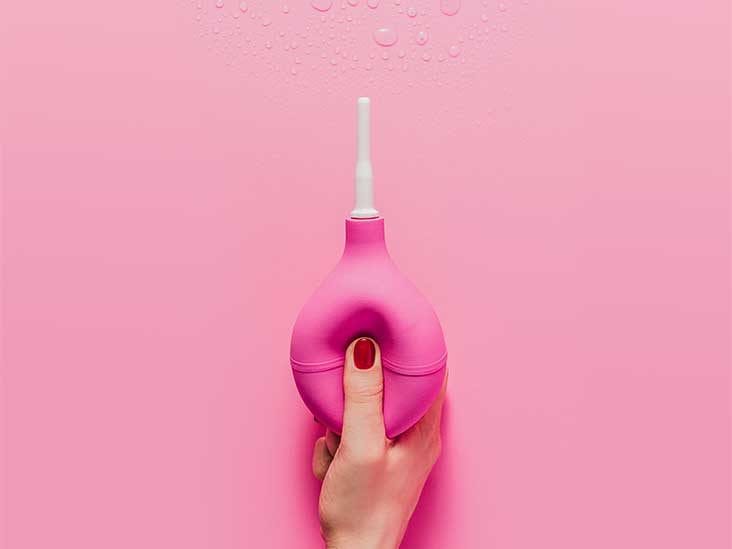
Vasti is considered to be the most important cleanse among the five procedures in Panchakarma. The Ayurveda scholars have mentioned it as “chikitsardha” which literally means half of the treatments. Vasti is used to rectify diseases in which vata is imbalanced. Large intestine is the seat of Vata and Vata is the factor that controls the neurological functions of the body. In the procedure of vasti, the treatment is applied to the main seat of vata, i.e., the large intestine. This helps to obtain faster and better results in diseases associated with Vata. The efficacy of Vasti can be attributed to the ability of Vasti to balance all the doshas, not just Vata.
The word vasti means to retain, and the nDRame came from a special bag used for doing enema in ancient times. Vasti is classified into various types based on the doshas involved, site of action, mode of action (cleansing or nourishing), dose, and time of administration and so on.
There are mainly four types of vastis mentioned in Ayurveda. They are
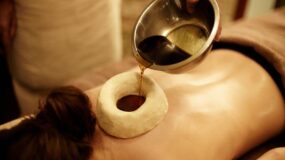
KASHAYA VASTI
Here enema is done using a mix of herbal tea, herbal oil and herbal paste. It helps…
SNEHA VASTI
The type of enema in which different types of herbarized oils are administered…
KSHEERA VASTI
Ksheeravasti is a form of herbal enema, where herbal latte is used instead of…
UTTARA VASTI
Uttara means former, and Uttaravasti means administering enema to…
KASHAYA VASTI (HERBAL ENEMA)
Here enema is done using a mix of herbal tea, herbal oil and herbal paste. It helps to cleanse the intestines thoroughly and have a powerful effect on spinal nerves. As Kashaya vasti is also known by other names- NIRUHA, ASTHAPANA.
It is called niruha because it is capable of eliminating the imbalanced doshas from the body. Niruha means to eliminate. It is called asthapana because it sustains life, dosha and tissues. Asthapana means to sustain.
HERBAL MIX FOR HERBAL ENEMA:
The herbal mix for herbal enema is freshly prepared by combining herbal oil, herbal tea, herbal paste and other ingredients like salt, honey which are chosen according to the imbalance and body type of the client. The dose, ingredients and herbs are tailored according to individual needs so is the intensity of cleanse planned, doshas targeted and imbalance focusing.
Doshas treated: Vata, Vata-Pitta, Vata-Kapha, Vata-Pitta-Kapha
HOW HERBAL ENEMA IS DONE?

BENEFITS OF HERBAL ENEMA
Herbal enema not only helps to cleanse the whole body but also helps to relax muscles, nourish joints, boost nerves and improve wellness.
$250 (1 hour)
A basic plan of three days of herbal enema begins from as low as $825
DISEASES INDICATED IN HERBAL ENEMA
 Neurological disorders like weakness, numbness, neuralgia, paralysis, fascial palsy
- Urinary disorders
- Diseases of semen and male reproductive system
- Numbness of the body
- Tremors
- Body stiffness
- BodyGout
- Low back pain
- Musculoskeletal disorders like frozen shoulder, lumbago, piriformis syndrome, sciatica, tennis elbow
- Constipation
- Muscle wasting
- Colic pain
- Menstrual disorders
- Ano-rectal disorders
- Fever
- Worms in the gut
SNEHAVASTI (OIL ENEMA)
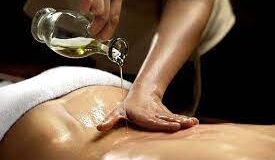
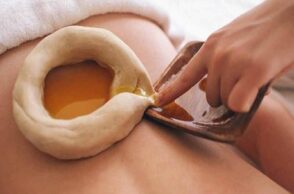
The type of enema in which different types of herbarized oils are administered to the client is called Sneha vasti. Sneha means oil. Sneha vasti is also called anuvasana. Anuvasana means that which remains in the body for some time without causing any discomfort. Oil enemas are of different types according to the dose administered. Oil enema helps to balance Vata. It can be done as a detox procedure or as a nourishing procedure by varying the dose and type of oils used. Oil enemas are usually very comfortable and one of the easiest form of Pancha karma.
HOW OIL ENEMA IS DONE?
- In order to ensure complete participation of whole body, the individual is prepared with an oil massage and steam.
- After the oil is administered, the client is free to go home.
- Even though much care is needed, is a good idea to take it easy for the rest of the day
Dosha targeted: Vata, Vata-Pitta
BENEFITS OF OIL ENEMA
Oil enema is a good mix cleansing and lubrication, so is an excellent way to cleanse Vata. It helps to relieve constipation, improve elimination of bowel, bladder, semen and menstruation and helps to prepare the body for safe and easy natural birth. It helps to boost intestines and pelvic organs.
$130 (1 hour)
A session of detox plan with enema begins from as low as $275
DISEASES INDICATED IN OIL ENEMA
- Neurological disorders
- Rheumatoid arthritis
- Low back pain
- Dysmenorrhea
- Osteoarthritis
- Sciatica
- Constipation
- Infertility
KSHEERAVASTI
(MILK ENEMA)
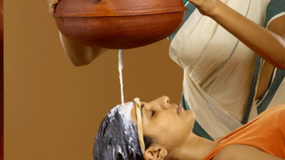
Ksheeravasti is a form of herbal enema, where herbal latte is used instead of herbal tea for the herbal enema with herbal oil and other ingredients. This enema is gentler than herbal enema, and can be continued for consecutive days until the desired results are achieved. Ksheeravasti doesn’t need much preparation and can be done as an instant enema. It is cleansing (but less than herbal enema), lubricating (but less than oil enema, more than herbal enema) and helps to balance vata. Ksheeravasti is recommended in chronic constipation, chronic vata imbalance in large intestine, bloating, gas, aches and pains, neurological disorders, fatigue, anemia and so on. It is an excellent way to cleanse when digestion is poor, or the client is too weak to undergo other forms of Pancha karma.
A session of ksheeravasti begins from as low as $250
UTTARAVASTI
(ADMINISTERING HERBS INTO VAGINA)
Uttara means former, and Uttaravasti means administering enema to the urethra or vagina. This is recommended mainly in gynecological conditions to attain fast and effective results. Herbal combinations in the form of decoctions or medicated oils are administered through the vagina and are expelled after a certain period of time. This mode of administration ensures maximum absorption of the medicine.