
What is Agni?
JATHARAGNI(DIGESTIVE FIRE)
This is the most important type of agni. It is located in the jathara (abdomen) and digests various types of foods and separates nutrients (rasa) and wastes (mala). Jatharagni can be in four forms based on its properties.
SAMA-AGNI
(BALANCED AGNI)
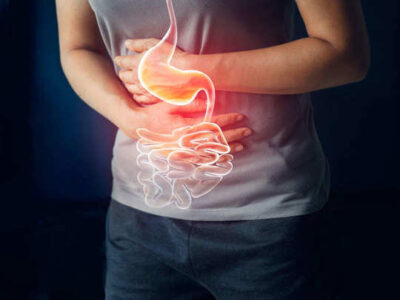
Sama-agni occurs when all the doshas are in a balanced state and agni functions in its best form. As a result, the body is in a state of good health and the mind is calm and clear. The individuals with sama-agni enjoy balanced digestion, strong immunity and well-nourished ojas(essence of tissues). Sama-agni forms the foundation of your health and well-being.
VISHAMA-AGNI
(IRREGULAR METABOLISM)
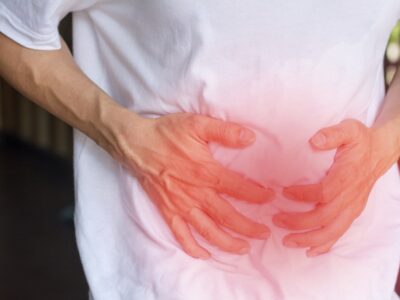
Vishama-agni is associated with vitiated vata. The speed of digestion and peristaltic movements change randomly resulting in altered digestion. The most common symptoms of Vishama-agni are flatulence, colic pain, heaviness in stomach and upward movement of gas. Vishama-agni is one of the most common reasons for hernia, diverticulitis, etc.
MANDA-AGNI
(HYPOMETABOLISM)
Manda-agni is associated with excess kapha. This excess kapha diminishes/ dilutes digestive fire (agni) making it sluggish and underactive. Manda-agni lowers the appetite and slows the metabolism resulting in bloating, discomfort and heaviness. Manda-agni is considered as the root cause of lifestyle disorders.

TEEKSNA-AGNI
(HYPERMETABOLISM)
Teekshna-agni is associated with excess pitta. In this case, the nutrition burns off very fast and passes through the digestive tract very quickly. When this happens, the tissues do not get proper nutrition and get undernourished. Most of the auto immune disorders involve Teekshna-agni at some level in the body.
DHATWAGNI(THE METABOLIC FIRE)

Dhatwagni means agni related to tissues. These are the factors of agni related to metabolism other than digestion. There are seven tissues in the body as per Ayurveda, so seven dhtwagnis as well. Seven dhatus (tissues) in the body are rasa (plasma), rakta (blood), mamsa (muscle), medas (fat), asthi (bone), majja (bone marrow) and sukla (reproductive tissue). The seven dhatwagnis act on the respective dhatus (tissue) and are responsible for healthy tissues.
BHOOTA-AGNI(THE ELEMENTAL FIRE)
Bhoota stands for the five great elements of the body- earth (prithvi), water (ap), fire (tejas), wind (vayu) and space (akasha). The five bhootagnis act on the respective bhootas (elements) of the body and help to nourish the bhootas (elements) in the body. This can be understood as the deeper metabolism related to sensory organs and other similar functions.